
We’re losing sleep over all sorts of moral and ethical questions these days – many of which should’ve been raised for ages. But one matter particularly regards celebrities, those influential and highly popular public figures whose lives seem to be constant battles between the unceasing fight for privacy and the inspirational effort of exposing their deepest health struggles to the world and raising awareness. Empowering people to stop feeling alone in their pain, anxiety, confusion, and agony, and start looking for solutions, maintaining belief in recovery.
Now, back to the question: should celebrities feel pressured, or even compelled, to make their medical problems known? Why do some choose to speak while others stay silent? Or are there some deeper implications the collective psyche misses out on?
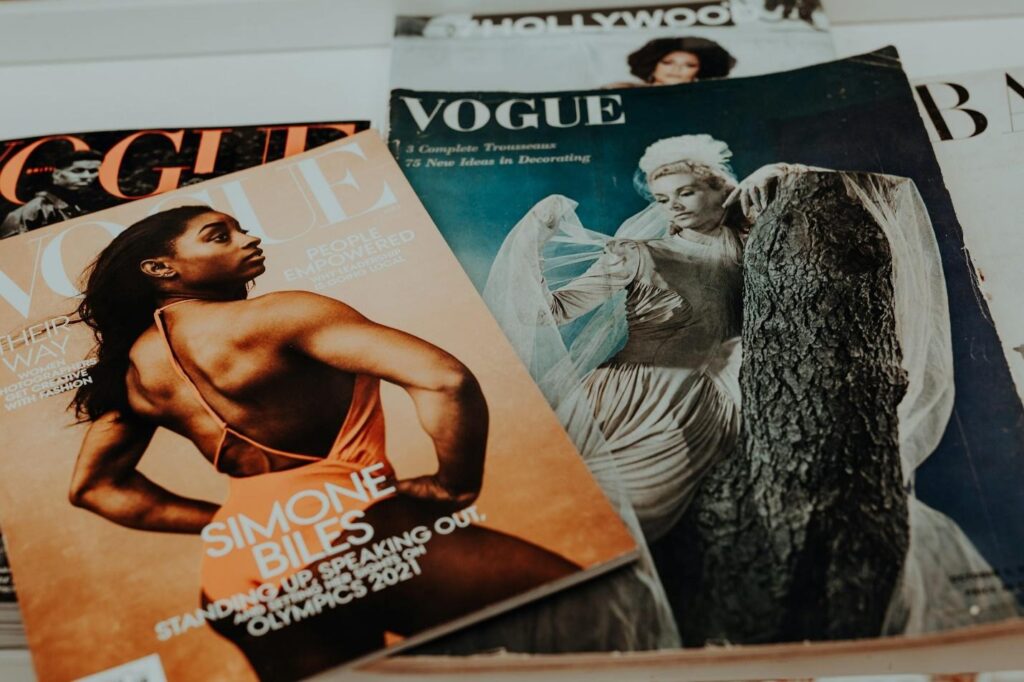
Photo source: https://unsplash.com/photos/a-pile-of-magazines-sitting-on-top-of-a-table-Esa-HxseH1I
Celebrities who chose to share their pain
Within the past few years, more high-profile figures have abandoned secrecy, sacrificing privacy to shed light on their health struggles. Some went so far as to defy centuries-old royal protocols – remember when King Charles III and Kate Middleton disclosed cancer diagnoses in 2024, though health problems in the royal family have traditionally been kept private. Others have opened up about some profoundly sensitive conditions, a transparency for which many are forever thankful. Meghan Trainor is one of these people, having shed light on an intimate health condition she’s been confronting, and a problem with which an unknown number of women are living. For this, she has our deepest respect.
In March of this year, actress Christina Applegate published her memoir, “You With the Sad Eyes”, where she lays bare her journey after her 2008 breast cancer battle and her current multiple sclerosis (MS) diagnosis. Chris Hemsworth is another public figure who chose to share publicly his battle with his genetic risk of Alzheimer’s, which his father faced too, as well as his fear of cognitive decline while still in his prime, encouraging proactive, timely health management. This is a very “Gen Z/Millennial” way of looking at health: hands-on and data-driven.
Many celebrities don’t stop at “disclosing” struggles. They’re actively engaging in making health conditions known, understood, and destigmatized, and compel the industry to expedite research and find cures. The number of celebrities who chose openness at the cost of their privacy and mental peace is hearteningly large: Toni Braxton opened up about her lupus disease, Ed Sheeran exposed his eating disorder, Jewel spoke out about her mental health journey, Chrissy Teigen talked about her infertility struggles. Selena Gomez and Demi Lovato have both become huge advocates for mental health, explaining addictions and the hard path to sobriety through their own lens, shining light on health problems that have historically been swept under the rug, marginalized, or labeled as poor lifestyle choices.
Having a famous, public name to relate to when trying to hush up personal struggles can mean the world for someone who doesn’t know where to begin addressing their own. And when such problems are disclosed out of genuine desire to help others – and not as part of some PR strategy – transparency becomes a force for good, and one that sets an example among the broader VIP world to step forward and share their own experiences. When a high-profile figure talks about their own mental health problems, those listening are suddenly more confident in approaching their own battles, too. It’s a gift that keeps on giving.
What remains unsaid
It’s important not to mistake a celebrity’s choice to remain silent and not expose their health struggles publicly with a lack of good intention. Because there are way more implications behind such a decision than one may think of. Some prefer to continue their careers with their remaining strength and keep things between them and the close ones because:
- They want to protect their fans from worries
- They don’t want to create anxiety among those who don’t even struggle with a specific type of problem, because people are wired to relate to others if they find even the smallest similarity
- There are legal implications they can face if they misrepresent a treatment, inadvertently promote a “miracle cure”, or even fail to describe their health problems correctly, such as litigation and regulatory scrutiny.
There’s more than meets the eye, even with those icons the world assumes have it “all figured out”. There’s this widespread misconception that fame is the assurance for health and recovery; that A-listers have exclusive access to “miracle cures”, SF-like technology, and the type of legal protection that makes them untouchable. But fame doesn’t work like that among humans. Even in a country with a healthcare system as solid as the UK, a high-profile individual can be unfortunate enough to deal with medical negligence and breached duty of care that results in life-long health and career consequences. That’s when the victim of medical negligence needs assistance from experts in medical litigation, like personal injury solicitors at Public Interest Lawyers, in order to hold negligent parties accountable, seek legal recourse, and secure the damages they’re entitled to. This is a reminder that behind the social media filters and the limelight, the right to private and ethical healthcare is a general struggle.
Truth is, we’re wired to take medical advice from celebrities.
Obviously, you should develop a critical mindset and filter any information you receive, relying on actual medical experts to interpret it correctly. You shouldn’t take everything celebrities say at face value. At the same time, keeping an open mind to what surrounds you is part of how you discover and learn. People are inclined to believe what famous figures say, often assuming they hold “the truth”, when in reality, what works for them may not work for you.
Audiences are growing increasingly influence-aware.
Thankfully, there’s growing understanding that not everything celebrities say is true or suitable for everyone. People have started to question the statements of VIPs, even when they come from their favorite icons. Even with that awareness, celebrities still have an ethical and moral duty to carefully consider the statements they make on topics as important as health, filtering them through multiple layers. This is especially true as audiences are more receptive to what comes from celebrities and thus they’re more easily influenceable.