
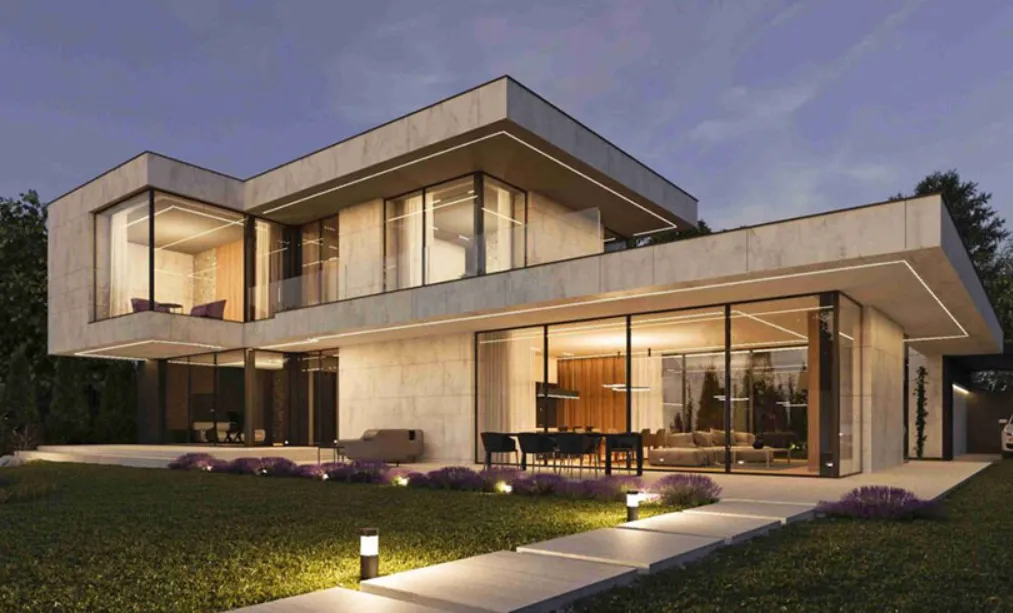

Renovating the exterior of your home is a significant undertaking. It requires a financial investment, time, and a fair amount of decision-making. The last thing any homeowner wants is to watch their hard work fade, crack, or peel only a few years after the contractors have left.
Choosing Durable Materials
The materials you select form the first line of defense against the environment. While budget is always a factor, opting for the cheapest option often leads to higher costs down the road due to repairs and replacements.
Siding Options: Wood, Vinyl, and Fiber Cement
Siding is the skin of your home. It needs to be tough, but it also defines the character of the house.
Wood Siding offers timeless beauty and a traditional aesthetic that is hard to replicate. However, it is high-maintenance. To ensure longevity, wood requires regular staining or painting to prevent rot, insect damage, and moisture infiltration. If you are willing to commit to the upkeep, high-quality cedar or redwood can last for generations.
Vinyl Siding is a popular choice due to its affordability and low maintenance. It doesn’t rot or need painting. However, standard vinyl can become brittle in extreme cold or warp in intense heat. If you choose vinyl, look for high-grade, insulated options that offer better durability and energy efficiency.
Fiber Cement has emerged as a frontrunner for longevity. Made from a blend of wood pulp, cement, sand, and water, it resists fire, rot, insects, and warping. It can mimic the look of wood, stucco, or masonry, but holds paint significantly longer than wood. For homeowners prioritizing a set-it-and-forget-it exterior, fiber cement is often the superior choice.
Roofing Materials: Asphalt, Metal, and Tile
Your roof takes the hardest beating from the sun, rain, and snow. Choosing the right material here is critical for protecting the entire structure.
Asphalt Shingles are the most common roofing material in North America. They are cost-effective and easy to install. While modern architectural shingles are more durable than their predecessors, they typically have a shorter lifespan—around 20 to 30 years—compared to other materials.
Tile Roofing (clay or concrete) is incredibly durable and can last over 50 years. It is impervious to rot and insects and stands up well to salt air. However, tile is heavy. You must ensure your home’s structure can support the weight before installation.
Metal Roofing has gained massive popularity for its incredible lifespan, often lasting 40 to 70 years. It sheds snow easily, resists fire, and stands up to high winds. While the upfront cost is higher than that of asphalt, metal roofing in Salt Lake City rarely needs to be replaced, making it a smart long-term investment.
Climate Considerations for Renovation
A house in Arizona faces different challenges than a house in Maine. Planning for longevity means acknowledging the specific weather patterns your home must endure.
Adapting to Harsh Weather Conditions
Understanding your local climate risks is essential. If you live in a coastal area, salt spray can corrode metal fixtures and erode brick. In this case, choosing non-corrosive materials like stainless steel or specialized composite siding is vital.
For areas prone to high winds or hurricanes, impact-resistant windows and reinforced garage doors are not optional upgrades; they are necessary protections for the building envelope. In regions with heavy snowfall, the roof pitch and gutter systems must be designed to handle the weight and volume of melting snow to prevent ice dams, which can cause severe water damage inside walls.
Energy Efficiency and Insulation
Insulation does more than keep you warm; it protects the structural integrity of the home. Proper insulation and air sealing prevent moisture from condensing inside wall cavities. Trapped moisture is a silent killer of homes, leading to mold growth and wood rot that can go unnoticed for years.
When renovating, consider wrapping the house in a weather-resistive barrier before installing new siding. Upgrade to multi-pane windows with Low-E coatings. These choices reduce the thermal expansion and contraction of building materials, reducing stress on the structure and extending the life of your renovation.
Sustainable Practices in Exterior Renovations
Sustainability and longevity go hand in hand. A product that lasts 50 years is inherently more eco-friendly than one that ends up in a landfill after 15 years.
Eco-Friendly Material Choices
Look for materials with recycled content or those that can be recycled at the end of their life. Metal roofs, for instance, are often made from recycled materials and are 100% recyclable. Reclaimed wood or brick adds instant character and reduces the demand for new resource extraction.
Composite decking is another excellent example. Made from recycled plastics and wood fibers, it keeps waste out of landfills and provides a deck surface that won’t splinter, rot, or require annual chemical sealants.
Water Conservation Strategies
Managing water is crucial for protecting your foundation and landscaping. During your renovation, consider installing a rainwater harvesting system. Rain barrels or cisterns collect runoff from the roof, which you can use for irrigation.
Permeable pavers for driveways and walkways allow water to seep into the ground rather than pooling near the foundation or overwhelming storm drains. Good drainage keeps water away from the base of your home, preventing cracks and settling that can compromise the structure over time.
Long-Term Cost Savings
It can be tempting to cut corners to save money upfront. However, a renovation planned with longevity in mind offers significant financial benefits over the lifespan of the home.
Investing in Quality Craftsmanship
The best materials in the world will fail if they are installed incorrectly. Poor installation leads to leaks, drafts, and premature material failure. Hiring experienced, licensed contractors might cost more initially, but their expertise ensures the job is done right.
Warranty coverage often depends on proper installation. A certified installer can offer extended warranties on materials, giving you peace of mind and financial protection.
Low-Maintenance Design Ideas
Time is money. Designing an exterior that requires minimal maintenance frees up your weekends and your wallet.
- Trim: Replace wood trim with cellular PVC. It looks like wood but never rots or needs painting.
- Gutters: Install seamless gutters with leaf guards to reduce cleaning frequency and prevent clogs that cause water damage.
- Landscaping: Choose native plants for your landscaping. They are adapted to the local climate, requiring less water and fertilizer, and they support local ecosystems.
Conclusion
Whether it is choosing the robust protection of metal roofing or investing in proper insulation, every decision plays a role in the lifespan of your property. Take the time to research materials, understand your climate, and hire quality professionals. A well-planned renovation is a legacy that protects your investment and provides comfort for years to come.


