

Celebrity routines and endorsements often shape the way everyday people think about wellbeing. Whether it’s a signature skincare step, a fitness trend, or a calming bedtime ritual, habits showcased by public figures quickly ripple through social media and lifestyle culture. In many cases these practices are discussed with enthusiasm long before there is a clear understanding of their effects, which is why some discussions touch on topics like Flewd in the context of popular self-care rituals such as bath bombs and other sensory experiences that are presented as pathways to relaxation or stress relief.
How Celebrity Endorsements Shape Perception
Celebrities have platforms that amplify personal habits far beyond their immediate circles. When a well-known figure shares their approach to wellness, followers often interpret it as an invitation to try something similar. A glowing social post about a nighttime routine, a beauty hack, or a stress-relief practice can travel faster than more cautious or evidence-based advice. This tends to elevate certain habits into cultural phenomena, even when their benefits are subtle, context-dependent, or largely experiential.
The presentation of these habits rarely includes discussion of limitations, contraindications, or individual differences. Instead, content focuses on visuals and personal narrative. This framing emphasizes aspiration and relatability, but it can also obscure the distinction between what feels good in a moment and what has measurable health effects.
Ritual, Relaxation, and the Mind-Body Connection
Many wellness practices popularized by celebrities fall into the category of comfort or ritual rather than clinical intervention. Examples include tea blends, scented candles, meditation sessions, and bath additives. These habits often serve as cues that signal “downtime” or self-attention, which can have psychological value even if their physical effects are limited.
A relaxing activity can influence mood by activating the parasympathetic nervous system, which supports rest and recovery. Contextual cues, like warm water or aromatic fragrances, may contribute to a sense of wellbeing by helping the individual slow down and shift focus away from stressors. This subjective benefit is real for many people, even if it does not translate into specific physiological changes.
What Wellness Claims Actually Mean
When routines are shared publicly, the language around them often leans toward broad claims about stress reduction, detoxification, or “resetting” the body. These terms are appealing because they promise tangible improvement, but their meanings are rarely defined with scientific precision. For example, a habit may be described as “cleansing” or “restorative”, phrases that resonate emotionally but are not necessarily backed by measurable outcomes.
Organizations like the National Institutes of Health highlight that many lifestyle practices people adopt for wellness have effects that are highly individual and context-dependent. What feels revitalizing for one person may have little impact on another because of differences in stress response, environment, and overall health.
The Influence of Context and Expectation
The efficacy of a wellness habit often depends on context and expectation. This is similar to what researchers call the “placebo effect,” where the belief in a practice’s benefit contributes to a positive experience, independent of any specific action. When a celebrity frames a routine as essential to their sense of balance or happiness, followers may adopt it with a similar mindset, enhancing its perceived impact.
This psychological component does not diminish the value of a habit, but it does separate subjective experience from objective efficacy. Feeling relaxed after a soothing bath, for example, may be tied more to the break from routine and the personal intention behind the ritual than to any specific ingredient in the water.
When Habits Work and When They Don’t

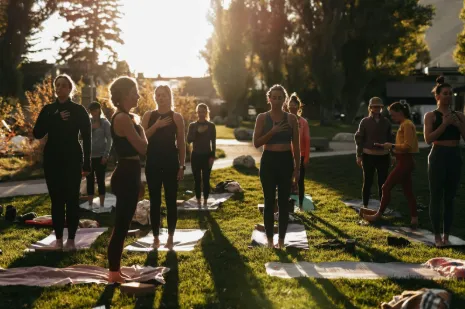
Photo by Josh Millgate on Unsplash
Not all popular wellness habits lack utility; many simply operate on a different plane than health interventions. Practices that encourage mindfulness, presence, and intentional pauses in a busy schedule can support overall wellbeing by helping individuals manage stress. The effect derives from the habit’s ability to create mental space, not necessarily from a direct physiological mechanism.
On the other hand, habits presented as universally beneficial without nuance can set unrealistic expectations. A single bath, supplement, or nightly routine is unlikely to resolve chronic stress or complex health challenges on its own. Recognizing the limitations of these approaches helps place them within a broader context of lifestyle and self-awareness.
The Social Side of Wellness Trends
Wellness trends also have a social component. Participating in a widely shared practice fosters connection and shared language. People bond over rituals and swap tips in online communities, making certain habits feel not only beneficial, but socially validated. This communal aspect adds another layer to why trends thrive: they function as both self-care and social currency.
Integrating Habits Thoughtfully
Rather than viewing celebrity-popularized habits as prescriptions, it can be helpful to see them as invitations to explore what aligns with one’s own rhythms and needs. Some individuals will find subjective comfort in aromatic baths, meditation sequences, or structured breaks; others may prefer vigorous physical activity, creative outlets, or social engagement. The underlying theme is intentional care rather than unquestioned imitation.
Balancing Curiosity with Critical Thinking
Curiosity drives experimentation, and there is value in exploring different approaches to wellbeing. At the same time, balancing curiosity with a critical lens helps people integrate practices that support their life without conflating popularity with effectiveness. Routines that contribute to a sense of calm, presence, or enjoyment can be meaningful as part of a holistic lifestyle, even when their effects are not easily quantified.
Rather than assuming that every trend carries universal benefit, approaching each habit with awareness of context, personal response, and evidence helps individuals make informed, responsive choices in the ongoing work of managing stress and promoting wellbeing.
In the end, celebrity wellness habits highlight the interplay between culture, psychology, and personal experience. What a well-known figure finds grounding may inspire exploration, but the real measure of a habit’s value is how it fits into the individual’s life and supports a balanced, thoughtful approach to daily care.