
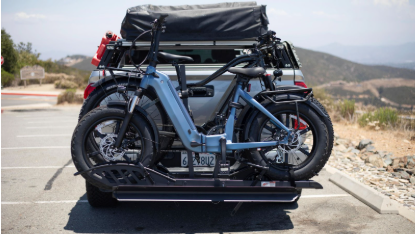

Transporting e-bikes safely requires more than just lifting them into a car. Many riders do not realize the unique challenges that come with using a hitch bike rack for e-bikes. These bikes are heavier, larger, and more fragile compared to standard bicycles, which can lead to damage if handled improperly.
Over the past ten years, I have personally worked with thousands of cyclists and observed frequent mistakes made when securing e-bikes to a vehicle. Understanding these pitfalls can prevent damage to both your bike and your car.
Negligence on Hitch Bike Rack Weight Limits
One of the most common mistakes is assuming that any hitch bike rack can support an e-bike. E-bikes often weigh between 40 and 70 pounds due to the battery and motor. Standard hitch racks designed for lightweight bicycles may not be able to handle this load, potentially bending, breaking, or detaching during transit.
It is essential to check the manufacturer’s weight limit before buying or installing a rack. Choosing a high-quality, heavy-duty e-bike rack ensures both stability and safety during transport.
When carrying multiple e-bikes, it is important to distribute the weight evenly. Placing the heaviest bike in the middle or closest to the vehicle minimizes sway and reduces stress on the rack’s arms. Ignoring this can result in wobbling, reduced handling, and, in worst cases, damage to the bike and vehicle.
Not Securing the Bike Properly
Securing an e-bike goes beyond placing it on the rack. Straps, clamps, and locks all play an important role. A frequent mistake is relying solely on the rack’s built-in straps. Vibrations during travel can loosen these restraints, causing e-bikes to slip or tilt mid-journey.
For maximum safety, use additional bungee cords or padded straps around the frame and wheels. This prevents movement and protects sensitive components such as the motor, battery, and suspension.
Clamping the bike by the top tube may work for lightweight bicycles, but for e-bikes, wheel trays with locking mechanisms provide much greater security.
Misusing Rack Tilt or Swing Features
Many hitch racks come with tilt or swing functionality to access the rear of the vehicle without removing bikes. While convenient, improper use of these features is a frequent cause of problems, especially with a heavier ebike rack. Extending tilt or swing while the rack is fully loaded can create excess leverage on the hitch receiver, potentially weakening the attachment point or bending the rack frame.
The best practice is to release any tilt or swing locks before fully loading the e-bikes. After loading, always check the alignment of the rack. Even a small misalignment can result in scraping the bumper or damaging the bike during turns or braking.
Ignoring the Effect of Road Conditions
Many e-bike owners underestimate the impact of road conditions on a loaded hitch bike rack. Potholes, abrupt braking, and high-speed travel create forces that affect rack stability. An improperly secured e-bike may shift, putting strain on the frame or even detaching from the rack.
Driving cautiously, reducing speed, and periodically checking the bike and rack during long trips helps prevent accidents and protects both the e-bike and vehicle.
For longer journeys or when transporting heavy e-bikes feels risky, choosing professional vehicle transport through reliable New York Car Shipping Companies can be a safer alternative to extended rack-based travel.
Overlooking Battery Safety
E-bikes have expensive lithium-ion batteries that are sensitive to shocks and vibrations. A common mistake is transporting the battery without stabilizing it. Even minor jolts can damage internal cells, shorten battery life, or cause electrical faults.
To protect your investment, remove the battery and secure it safely inside the vehicle during transit. This also reduces the weight on the ebike rack, decreasing stress on the hitch and improving vehicle handling. For longer trips, consider a padded battery case for added protection.
Incorrectly Estimating Rack Compatibility with Vehicle Type
Not all hitch bike racks fit every vehicle. SUVs, trucks, and compact cars have different hitch sizes and ground clearance. A rack that fits perfectly on a mid-size SUV may scrape the ground on a lower vehicle, especially when fully loaded.
When selecting a hitch bike rack, ensure both vertical and horizontal clearance. This prevents the e-bike from touching the bumper, exhaust pipes, or tailgate during turns, acceleration, or braking. Choosing a properly rated ebike rack is equally important, as compatibility is not limited to hitch size alone; frame geometry, rear overhang, and vehicle weight distribution all impact safe transport.

Conclusion
Selecting the right hitch bike rack or ebike rack is crucial for safely transporting heavy e-bikes. Using a hitch bike rack for e-bikes requires careful attention to weight limits, secure attachment, rack features, road conditions, battery safety, vehicle compatibility, and routine maintenance. Ignoring any of these factors can lead to costly mistakes or accidents.
Choosing the right rack, distributing weight properly, and following best practices ensures safe and stress-free transportation of e-bikes. This careful attention protects your vehicle, preserves your e-bike investment, and allows you to enjoy every ride. Investing in a high-quality ebike rack guarantees that your electric bikes remain secure while providing convenience, durability, and peace of mind on every journey.
FAQs
Which is the safest method to secure an e-bike on a hitch bike rack?
Use wheel trays with locking clamps and additional padded straps around the frame and wheels. Remove the battery when possible to reduce weight and vibration.
Do all hitch bike racks support e-bikes?
No. Standard bike racks are often too light for e-bikes. Always check the manufacturer’s weight rating and choose heavy-duty models designed for e-bikes.
Should I remove the battery when transporting an e-bike?
Yes. Removing the battery protects it from shocks, vibrations, and potential theft. It also reduces the overall weight on the rack, improving stability.
How can I prevent the rack from damaging my vehicle?
Ensure proper clearance, use tilt or swing features correctly, and check alignment after loading. Regular maintenance and inspection of bolts and straps is essential.
Can a fully loaded e-bike rack be driven at highway speeds?
Yes, but drive cautiously, avoid abrupt turns, and periodically check the bikes and rack, especially on long trips over bumpy roads.